

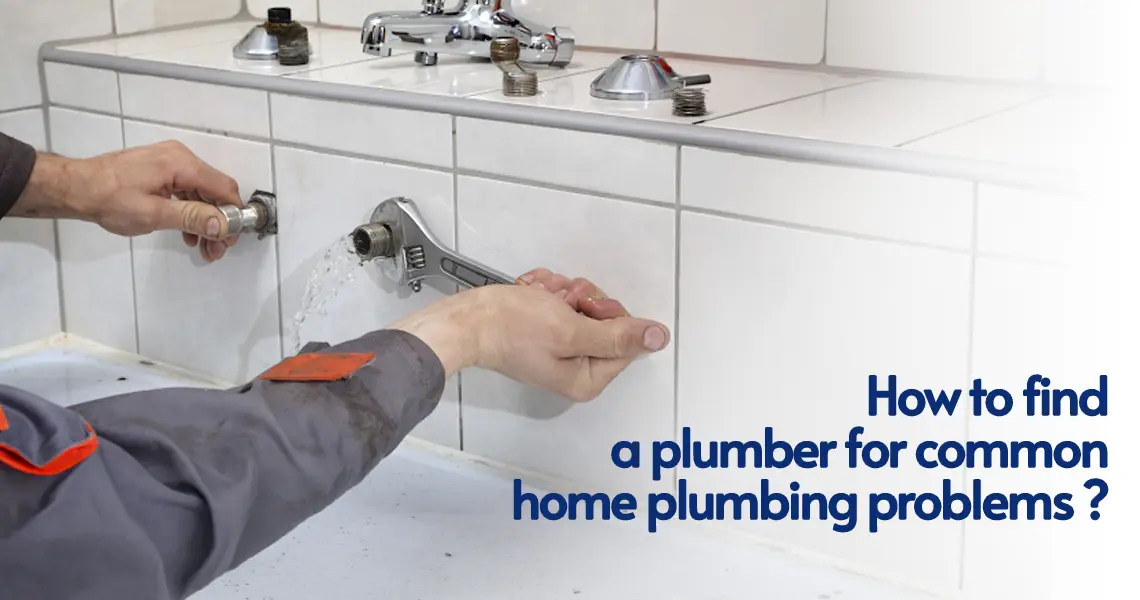
A dripping tap may seem minor, but recurring leaks, blocked drains, unusual water pressure and other plumbing problems can become increasingly inconvenient when they are left unattended.
A plumber at home can help identify the source of a plumbing issue and determine whether it needs a simple repair or further attention.
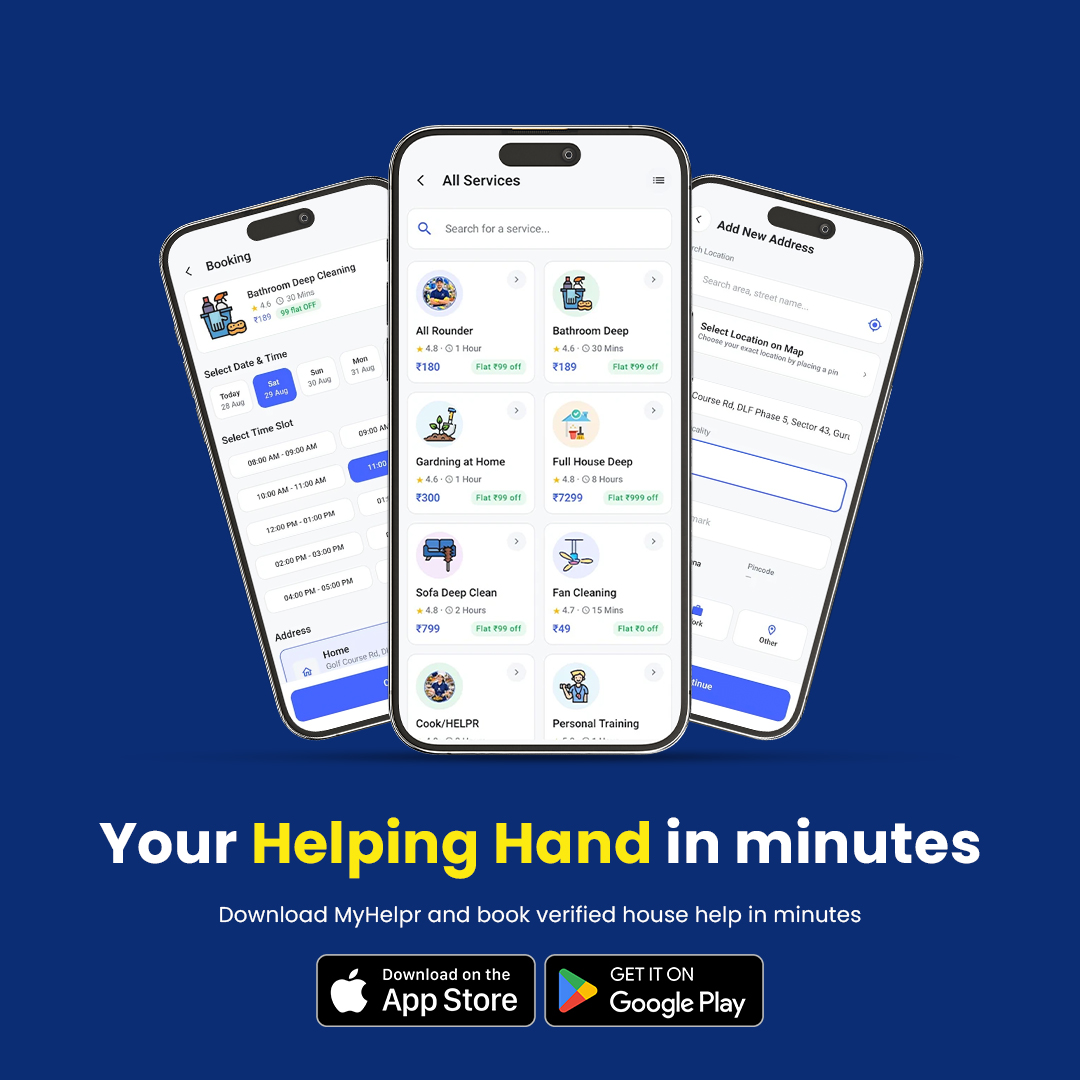
MyHELPR currently lists plumber services as part of its home-services offering. Customers can select a service, provide the required details, choose an available time and confirm the booking through the MyHELPR platform.
What are The Most Common Plumbing Problems at Home?
Home plumbing problems can appear in kitchens, bathrooms, utility areas and anywhere water enters or leaves the property.
1. Dripping Taps
A tap that continues to drip after being closed properly can indicate a worn component or another issue with the fixture.
A recurring leak should be checked rather than ignored, particularly when it continues even after basic tightening or adjustment.
2. Leaking Pipes and Connections
Leaks can occur around plumbing connections, valves and water-using fixtures.
The U.S. Environmental Protection Agency notes that common household leaks can occur around faucets, toilet components, connections and valves, and that identifying and repairing leaks helps prevent unnecessary water loss.
If you notice dampness, pooling water or a recurring leak, a plumber can inspect the affected area.
3. Low Water Pressure
Weak water flow can make everyday tasks such as showering, washing dishes and filling containers frustrating.
EPA WaterSense guidance notes that unusually low household water pressure can sometimes be associated with leaks and may require professional attention.
Because low pressure can have several possible causes, identifying the source matters before attempting a repair.
4. Blocked Drains
A slow or blocked drain can make sinks, bathroom areas and other water outlets difficult to use.
Repeated blockages are worth investigating instead of relying on temporary fixes every time the problem returns.
5. Toilet Leaks
Toilet leaks are not always obvious because water can escape without creating a visible puddle.
The EPA identifies worn toilet components, including flappers, among common household sources of water leaks.
A recurring toilet leak should be inspected so the source can be identified and repaired.
When Should You Hire a Plumber at Home?
A home plumbing problem usually deserves professional attention when:
- A leak keeps returning
- Water is pooling around a fixture
- A drain remains blocked
- Water pressure suddenly changes
- A toilet continues leaking
- A plumbing connection is visibly damaged
- A temporary repair stops working but the issue returns
The purpose of professional plumbing help is not only to address the visible symptom but to identify what is causing it.
Why Should You Avoid Repeatedly Ignoring a Plumbing Problem?
A small leak may remain small, but repeated water exposure can create larger maintenance problems.
The EPA recommends addressing household leaks because identifying and repairing them can help conserve water and prevent ongoing loss.
Similarly, recurring low water pressure, drainage problems or leaks can be signs that a plumbing fixture or connection needs inspection.
How Do You Find The Right Plumber for Home Plumbing Services?
1. Identify the problem: Before booking, note what you are experiencing.
For example:
- Leaking tap
- Blocked drain
- Low water pressure
- Toilet leak
- Leaking connection
The more clearly you describe the issue, the easier it is to select the relevant plumbing service.
2. Choose a home plumbing service: MyHELPR lists plumber services within its home-service categories.
3. Add your location: Provide the service address so the professional can attend the correct property.
4. Select an available time: MyHELPR’s booking process allows customers to choose an available date and time.
5. Review the booking and confirm: Review the service details before confirming.
MyHELPR states that some prices may be estimates and that the final price can change if an inspection identifies additional work, concealed damage, access difficulty or a different scope. Customer approval should be obtained before substantial additional charges are incurred.
How Can You Prevent Common Plumbing Issues?
Regularly paying attention to small signs can help you catch problems early.
Watch for:
- Taps that drip after being shut
- Water collecting under sinks
- Slow drains
- Sudden changes in water pressure
- Toilets that continuously run
- Damp areas near plumbing fixtures
- Repeated need for temporary repairs
A recurring problem is usually worth investigating rather than repeatedly treating the symptom.
Frequently Asked Questions
Q 1. What plumbing problems should I call a plumber for?
Ans: Leaks, blocked drains, low water pressure, leaking toilets and recurring plumbing issues are common reasons to seek professional assistance.
Q 2. Can I book a plumber at home through MyHELPR?
Ans: Yes. Plumber is one of the service categories currently listed by MyHELPR.
Q 3. Why does my water pressure keep changing?
Ans: Water pressure can vary for several reasons, including leaks and issues within the home’s plumbing system. Professional inspection can help identify the cause.
Q 4. Should a dripping tap be repaired immediately?
Ans: A recurring leak should not simply be ignored. Addressing leaks helps reduce ongoing water loss and can prevent the issue from becoming more disruptive.
Q 5. How do I book home plumbing services?
Ans: Choose the plumber category, provide the required booking details, select an available time and confirm the booking through MyHELPR.
Conclusion
Plumbing problems are easier to manage when they are addressed before a small inconvenience turns into a recurring household issue.
Whether you are dealing with a leaking tap, blocked drain, low water pressure or another plumbing problem, professional inspection can help identify the actual cause.
MyHELPR lists plumber services as part of its home-service platform, allowing customers to choose a service, select a time and arrange professional help at home.